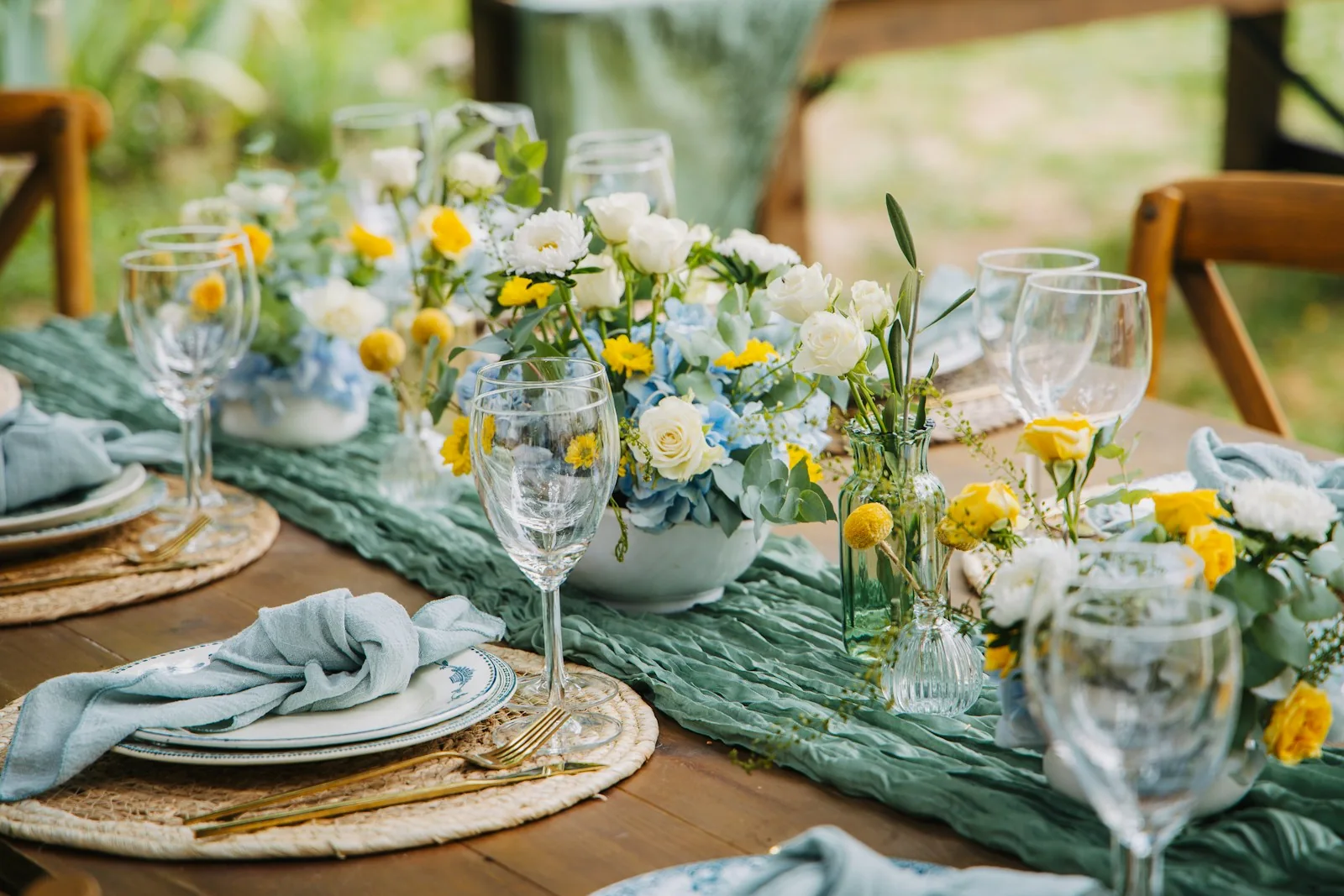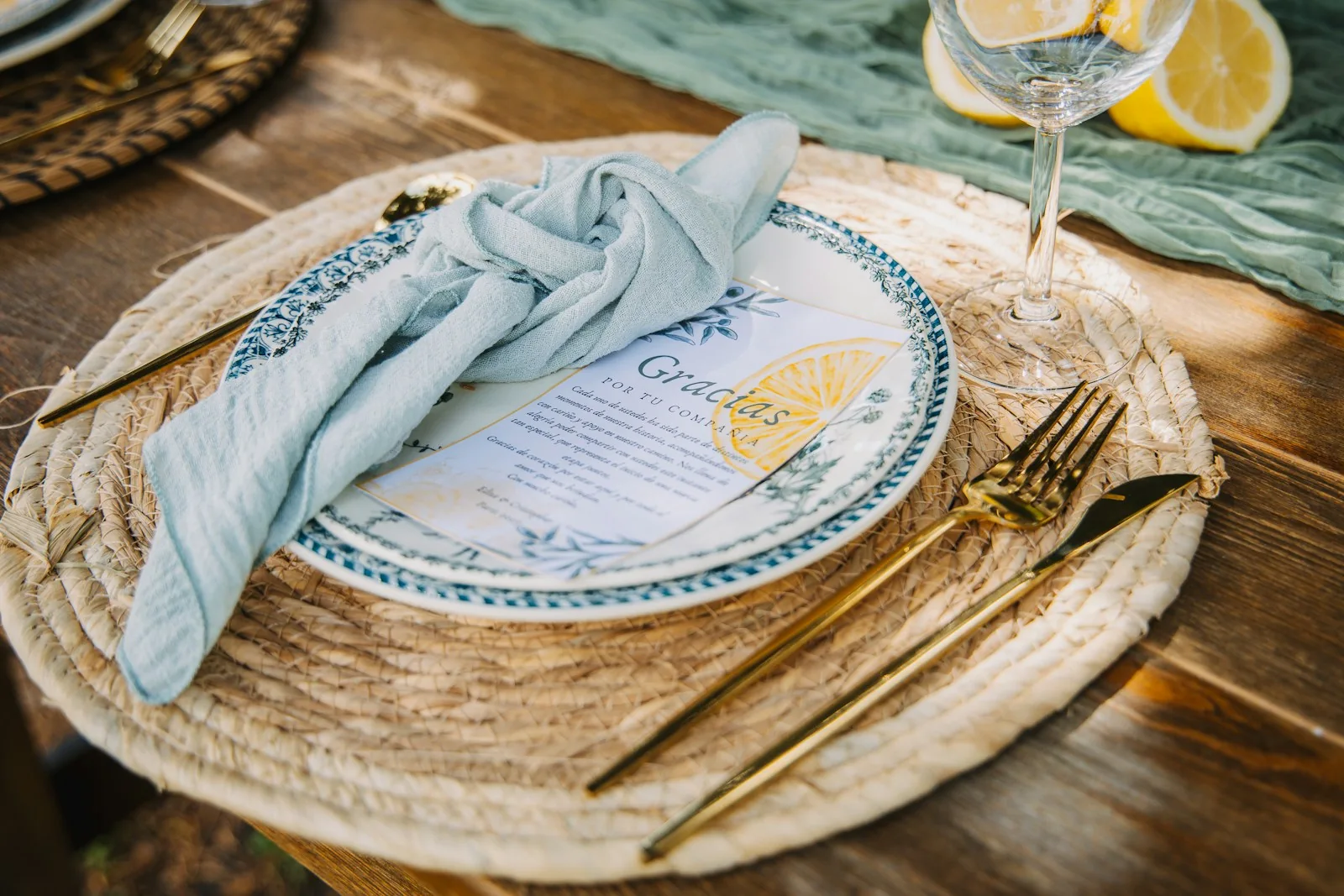
A plate can look perfect in a product photograph and still feel awkward at breakfast. Perhaps it is too wide for the dishwasher, too heavy for one family member, or so flat that a simple saucy meal becomes difficult to carry. Choosing everyday dinnerware is partly a style decision, but the practical fit determines whether the pieces become useful daily companions.
Start with the real routine
Begin with the meals you eat most often. Deep bowls matter if soups, grain bowls and noodles appear regularly. Smaller plates may be enough for lunch, while wide dinner plates need both table and cupboard room. Measure your current favorites and use those dimensions as a comparison rather than relying on photographs alone.
For flexible replacement: buy open-stock pieces
Open stock lets you choose plate and bowl quantities separately and replace individual pieces when available. It can suit households that use bowls more often than side plates. The tradeoff is that collections can change or disappear. Do not assume a manufacturer will keep a pattern indefinitely; prioritize pieces that could coexist with a later addition.
For a coordinated first cupboard: consider a set
A set may simplify decisions when you genuinely need every included shape. Count the useful pieces rather than judging value by the advertised total. Cups and small plates add little value if they stay untouched. Check whether the set includes your preferred bowl shape and whether the full stack fits the intended shelf.
For a busy routine: prioritize documented care
Read the manufacturer’s dishwasher, microwave and oven guidance for the exact collection. Material names alone do not settle every question because finishes and decorations can affect care. Inspect handles, rims and bases when possible. A textured glaze may feel appealing but deserves the same practical scrutiny as a plain plate: weight, cleaning and stacking still matter.
Compare the useful options
| Option | Best fit | Tradeoff to check |
|---|---|---|
| Open stock | Different quantities by shape | Future availability |
| Coordinated set | Starting a cupboard | Unneeded included pieces |
| Care-led selection | Frequent everyday use | Exact product instructions |
Use this comparison to narrow the choice rather than to rank every possible purchase. For the cupboard and dishwasher used every day, a useful decision balances meal shapes, handling comfort, and care instructions. The most appealing photograph does not show everything you need to know about daily use. Read the description carefully, look for dimensions and care information, and ask the seller a specific question when an important detail is missing.
Before you buy
- Measure cupboard depth and dishwasher space.
- Compare individual piece weights if handling comfort matters.
- Check whether replacement pieces are sold separately.
- Read care instructions for the exact pattern and finish.
Set a comfortable total budget before browsing, including shipping, any accessories needed for use, and the cost of returning an unsuitable item. Compare the complete purchase rather than just the headline price. If you are choosing between two options, write down the one practical problem each would solve. An option without a clear purpose can wait. There is no need to fill every possible gap in one order.
Availability, care guidance and return terms can change, so check the current product page at the time of purchase. Keep the order details until you know the item fits its intended use. For a gift, leave packaging and labels intact and make exchanges straightforward. For your own home, give the item a specific storage place before it arrives. These small decisions are often more useful than another feature on a comparison list.
What to skip
Skip buying a large service purely because the per-piece price appears lower. Avoid choosing by material stereotypes or assuming every ceramic piece is microwave-safe. Decorative metallic details, unusual shapes, and very large bowls can be beautiful, but their practical limitations should suit the way your household eats and cleans.
Questions worth asking
Should everyday plates be white?
White is flexible, but it is not essential. Choose a color or pattern you enjoy repeatedly and can combine with your existing serving pieces.
Is a small chip just a cosmetic issue?
Stop using a damaged piece and follow the manufacturer’s guidance. A sharp or deteriorating edge is not worth keeping in daily rotation.
Keep planning
- A Small Hosting Capsule for Everyday Gatherings
- Practical Wedding Gifts for the Home a Couple Actually Shares
Where to start browsing
These direct retailer links are a starting point for comparison. Confirm current stock, materials, dimensions, delivery and returns on the retailer's own site. Photographs show lifestyle inspiration, not a specific product being sold.
IKEA serving bowls ↗
Compare serving-bowl shapes, materials and dimensions.
Crate & Barrel cloth napkins ↗
Compare cotton and linen options, sizes and care instructions.